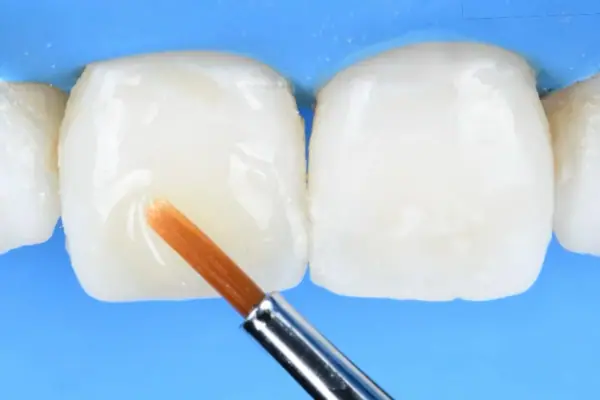
Assessing what remains
The amount of tissue remaining and the risk of fracture are assessed before any preparation.
Restorative dentistry · Preservation
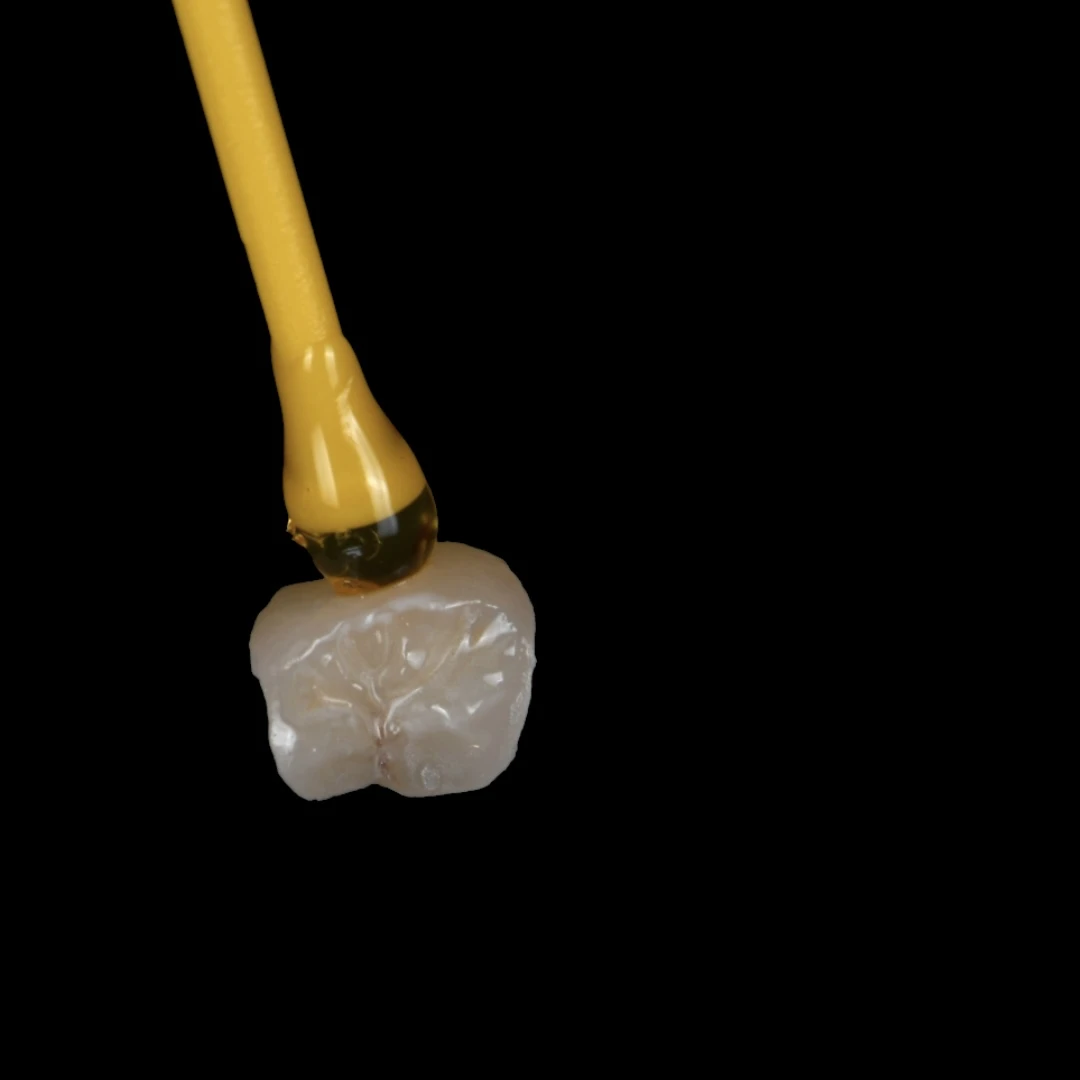
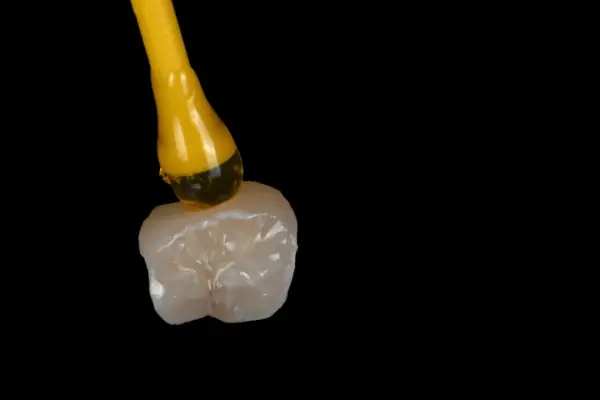
An inlay fills a cavity inside the tooth, an onlay covers one or more of its points (the cusps), and an overlay covers the whole chewing surface. The shape of the cavity, the thickness that remains and the chewing forces guide the choice.
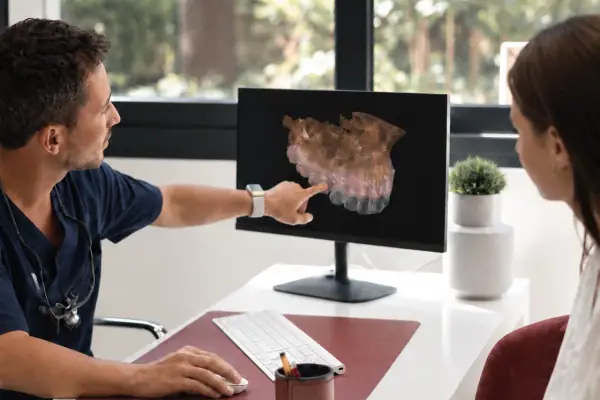
Digital impressions and bonding make a precise restoration possible, designed in the laboratory or through a digital workflow.

The amount of tissue remaining and the risk of fracture are assessed before any preparation.
Preservation Index
04 / 04
The index shows what a treatment removes from the tooth and what it leaves. Inlays, onlays and overlays sit at the fourth level: the tooth is not just added to; its structure is rebuilt. The level places the procedure without judging it; a crown sits at the same level while removing more.
Only the areas that are weakened, or whose surface does not allow a good bond, are prepared; the rest of the tooth is preserved.
The restoration, made in the laboratory or through a digital workflow, is bonded to the tooth and then adjusted to the bite. The fee for a ceramic onlay or overlay is listed in the table of fees.
Frequently asked questions
The amount of tissue remaining and the risk of fracture are assessed before any preparation.
An inlay fills a cavity inside the tooth, an onlay covers one or more of its points (the cusps), and an overlay covers the whole chewing surface. The shape of the cavity, the thickness that remains and the chewing forces guide the choice. The final proposal always depends on the clinical examination, the bite and the expectations you have expressed.
No. The same request can call for several solutions. The diagnosis makes it possible to compare the benefits, the limits, the alternatives and the biological cost of each one.
From treatment to clinical practice
Inlay, onlay, overlay or crown: what each one covers, how to choose between them, what studies say about their lifespan, and how treatment works.
First stepHow the diagnosis and the options are presented before any decision is made.
Further reading
Why teeth wear (erosion, bruxism, abrasion), how to recognise wear that is progressing, and why not every worn tooth needs rebuilding.
TreatmentsBonding makes it possible to rebuild some weakened teeth with partial restorations rather than routinely crowning them.
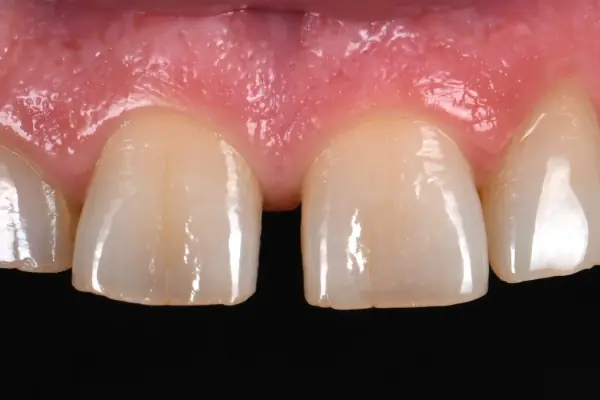
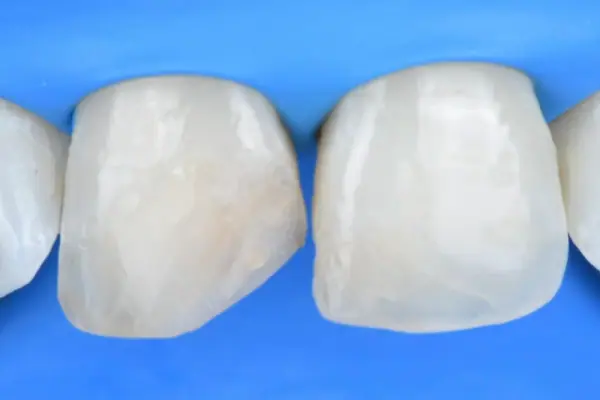
TreatmentsRepairing a chipped, broken or irregular front tooth, or closing a small gap, with composite sculpted layer by layer.
A tailored indication
The information on this page is general. Only a clinical examination can establish whether a treatment is indicated, and clarify its benefits, limits and alternatives.