Planning from the tooth
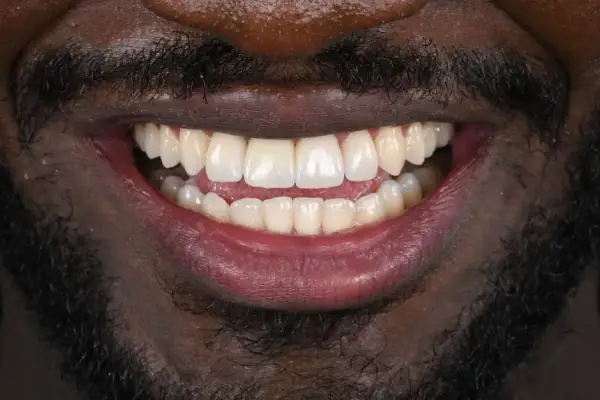
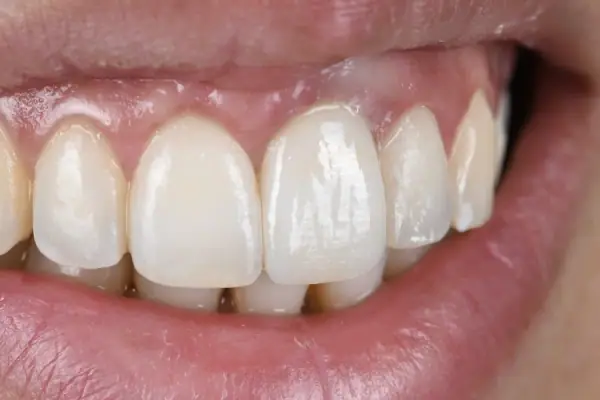
The shape and position of the future tooth guide the position of the implant, not the other way round.
Restorative implant dentistry · Integration
The volume of bone available, the gum, the bite and the position of the implant directly determine the shape of the future crown.
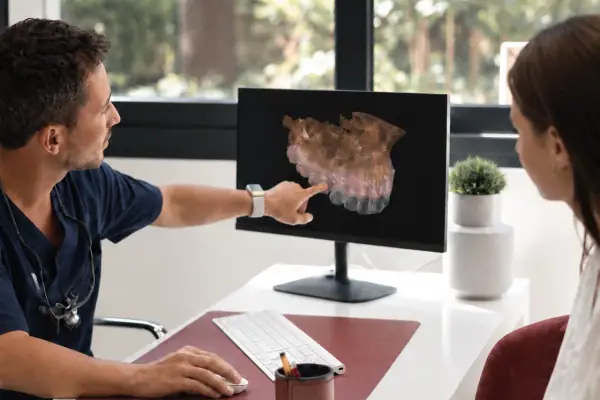
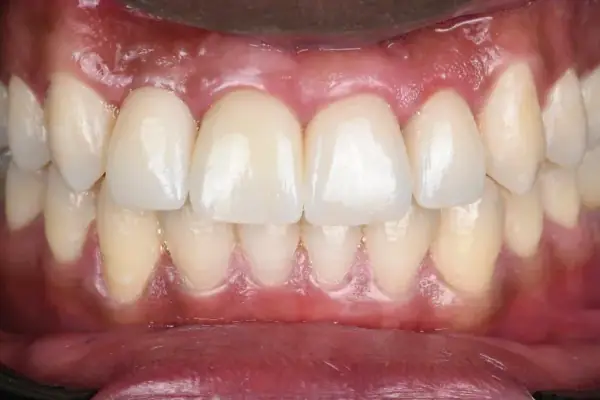
The placement of the implant, a surgical procedure, and the crown, a prosthetic one, are planned together, to anticipate the shape of the gum around the tooth and make it easier to keep clean.

The shape and position of the future tooth guide the position of the implant, not the other way round.
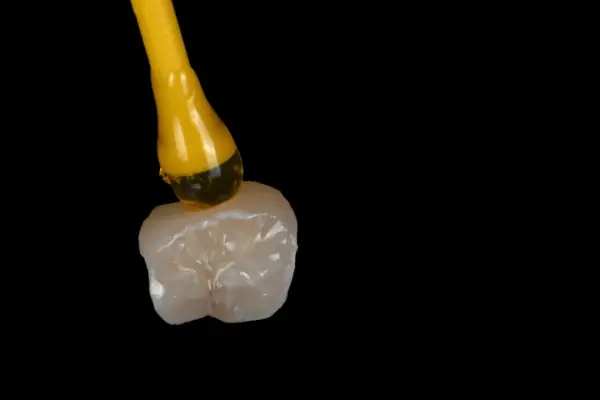
A temporary crown can support healing and give the gum its shape, when the situation allows.
Checking oral hygiene, the contacts with the neighbouring teeth and the gum is part of long-term follow-up.
Frequently asked questions
The shape and position of the future tooth guide the position of the implant, not the other way round.
The volume of bone available, the gum, the bite and the position of the implant directly determine the shape of the future crown. The final proposal always depends on the clinical examination, the bite and the expectations you have expressed.
No. The same request can call for several solutions. The diagnosis makes it possible to compare the benefits, the limits, the alternatives and the biological cost of each one.
From treatment to clinical practice
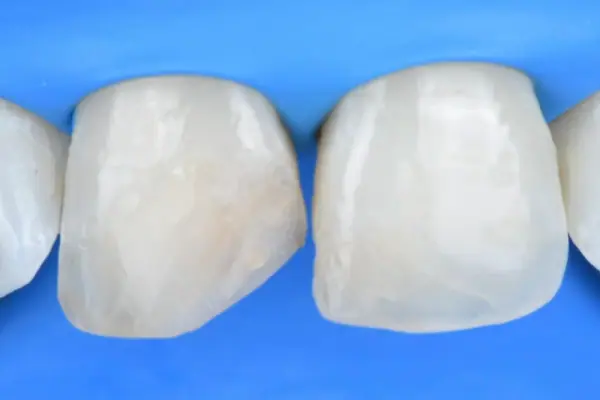
See the stages of rebuilding the front teeth after an accident: keeping the teeth that could be saved, an implant and ceramic restorations.
First stepHow the diagnosis and the options are presented before any decision is made.
Further reading
Bonding makes it possible to rebuild some weakened teeth with partial restorations rather than routinely crowning them.
TreatmentsInlays, onlays and overlays: partial restorations that can rebuild a weakened back tooth without a full crown, keeping the tissue that is still healthy.
TreatmentsCosmetic gum treatment for an uneven gum line, recession or a gummy smile due to excess gum, including gingivectomy, when the diagnosis justifies it.
A tailored indication
The information on this page is general. Only a clinical examination can establish whether a treatment is indicated, and clarify its benefits, limits and alternatives.